
The Italian south, with its sun-drenched coastlines, layered history, and deep cultural roots, has always had a quiet intensity that doesn’t shout for attention the way cities like Rome or Venice might. On a recent journey through Campania and Puglia, the route from Salerno to Taranto stood out—not only as a geographic transition from the Tyrrhenian Sea to the Ionian coast, but as a voyage through time, towns, and textures of Italy that aren’t often explored by hurried visitors. Traveling by train in this region provides both convenience and a chance to sit still long enough to actually notice the scenery that most only blur past on a map.
1. Setting Off from Salerno: Departure Timing and Station Orientation
Salerno’s main station, Stazione di Salerno, sits comfortably in the heart of the city. Piazza Vittorio Veneto fronts the building, a plaza where taxis linger and locals congregate over early espressos. The station itself is not overwhelmingly large, but it’s busy, particularly in the early hours when commuters head toward Naples or further north.
Reaching the station around 7:30 in the morning gives enough time to orient oneself without the pressure of crowds. Luggage storage is available for those arriving early or with check-out gaps from their accommodations. Ticket machines are straightforward and offer multiple languages. That said, there’s a reassuring ease in going directly to the ticket window, where the staff, though brisk, handle transactions with practiced efficiency. For those with Trenitalia apps or digital tickets, scanning QR codes at the platform gates streamlines the boarding process.
There are multiple departures daily from Salerno to Taranto. Morning and mid-morning options are best for enjoying both the ride and a relaxed arrival. For instance, the Intercity 704, departing around 9:20 AM, arrives in Taranto close to 1:30 PM. Depending on the date and route choice, some options are direct, while others involve a transfer at either Potenza or Metaponto.
2. Tickets: Options, Pricing, and Where to Book
Train ticket pricing in Italy varies based on class, time of day, and how far in advance one books. On average, a standard-class ticket for the direct Intercity route between Salerno and Taranto costs around €19 to €26 if purchased a few days ahead. Same-day purchases, particularly at peak hours, can cost more.
Tickets can be purchased through:
- Trenitalia’s official website: Offers full schedules, seat selection, and e-tickets.
- Italo (if traveling via high-speed routes with connections): Limited for this specific route, but useful if routing via major hubs.
- Regional ticket offices: Convenient for local guidance, especially in Salerno.
- Third-party platforms like Omio or Trainline: Helpful for travelers with international cards or when comparing options.
Choosing between second and first class is less of a matter of luxury and more of preference. First class offers slightly more legroom and fewer passengers per car, but the journey itself—less than five hours—doesn’t necessarily demand the upgrade unless one values quieter surroundings.
Reservations on Intercity trains are typically included in the ticket price. For regional connections, validation is still required—these machines are usually green or yellow and located just before the platforms.
3. Onboard the Intercity: Layout and Atmosphere
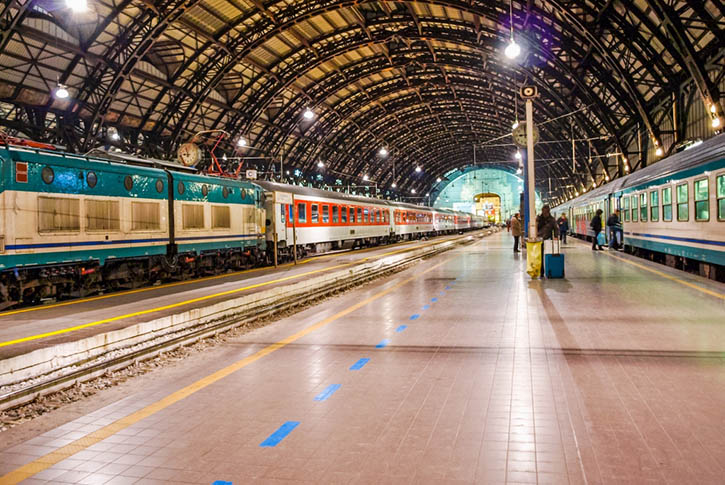
The Intercity train that links Salerno and Taranto isn’t sleek like the Frecciarossa or futuristic like Italo. Instead, it carries a slightly older elegance—wooden paneling, heavy drapes, and windows large enough to frame Apennine ridgelines. Seating in standard class is comfortable and arranged in pairs with foldable tray tables. Luggage storage is generous both above seats and at the car ends.
There’s a hushed rhythm to Intercity journeys. Locals sit absorbed in books, schoolchildren nap with backpacks as pillows, and the occasional solo traveler stares thoughtfully out the window. A modest refreshment trolley passes through mid-journey—espresso, soft drinks, small snacks. Nothing extravagant, but it satisfies.
Wi-Fi on Intercity lines can be unreliable. Downloading offline maps and podcasts beforehand is helpful, especially since cellular service flickers in and out through the more mountainous stretches. Quiet cars do exist on some configurations but aren’t universally labeled; when in doubt, observing volume is a safe etiquette rule.
4. Crossing Campania into Basilicata: A Shift in Landscape
Not long after leaving Salerno, the train begins its gradual ascent inland, moving away from the Mediterranean’s gleam. The hills of Campania give way to Basilicata’s sparse and rugged topography. Olive groves dot the slopes, some wild and unkempt, others neatly bordered by low stone walls. Sheep are a common sight here, scattered along grassy inclines like clusters of woolen commas.
Town names appear like milestones from an older Italy—Eboli, Potenza, Ferrandina. Each station brings with it a brief flicker of platform life: farmers in boots, high school students waving off friends, a priest standing alone with his cassock flapping in the breeze. It feels like stepping into a Cesare Pavese novel with every stop.
This part of the journey is less about landmarks and more about rhythm. The train snakes through narrow tunnels, then opens onto sudden sunlit valleys. Sometimes, it halts in silence at tiny platforms where no one boards, as if paying respect to towns too small to claim full stops.
5. Transfer Stations: What to Expect at Potenza and Metaponto
While some connections run directly, others break the trip into two parts, typically at Potenza Centrale or Metaponto. Both stations are manageable in size, though vastly different in atmosphere.
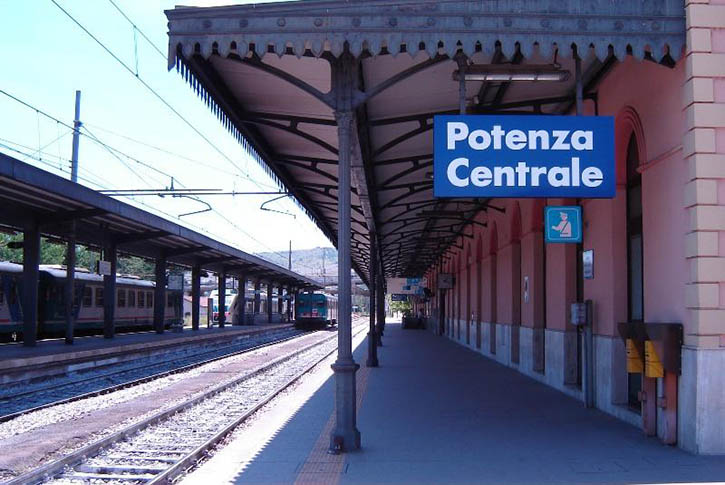
Potenza Centrale, perched high in the Apennines, carries a cool wind even in spring. The station is functional, not decorative—basic facilities, a small bar with decent coffee, and plenty of open-air platforms. The transfer time here is usually around 20 to 40 minutes. Trains heading toward Taranto from Potenza tend to be smaller regional trains, sometimes diesel-powered, with fewer amenities.
Metaponto, by contrast, sits closer to sea level. The station lies on flatter land, surrounded by palm trees and sparse buildings. Transfers here can feel slower; trains often arrive late or wait for others to pass. Patience is a travel necessity in southern Italy, and Metaponto trains are where that truth often asserts itself.
Both stations, though humble, are safe and clearly signposted. Delays, when they happen, are usually communicated by loudspeaker in Italian, but station staff respond kindly to questions—even in broken Italian or gestured English.
6. Approaching Taranto: Arrival and First Impressions
The final stretch into Taranto is visually striking. Flat plains open toward the Ionian coast, and the gleam of water becomes visible from the train windows about 20 minutes before arrival. Taranto’s station, Stazione di Taranto, is mid-sized, with a central hall, modest cafes, and easy access to taxis and buses just outside.
Stepping off the train, the air changes. There’s a salt in it, a heaviness that hints at the nearby sea and the city’s industrial past. Taranto’s historical duality is immediate—on one side, the old town with its stone streets and crumbling palazzi; on the other, factories and shipyards lining the modern port. It’s a city of layers and contradictions, none of them quiet.
The station is conveniently located to reach both the historical center and modern neighborhoods. Buses marked for Città Vecchia or Centro Storico head straight toward the old town, while taxis are reasonably priced for the short trip. There’s no metro, but the city is walkable, especially for those staying within central quarters.
7. Taranto’s Vibe After Arrival: The Reward at the End of Rails
Every city has a sound. In Taranto, it’s a blend of gull calls, vespa engines, and the clink of coffee cups. The city doesn’t perform for visitors; it remains authentic to its residents. That authenticity is what makes the train ride worth it. After hours spent watching fields, hills, and scattered towns glide past, Taranto lands like a destination earned—not handed over easily.
From the waterfront promenade to the narrow alleys of the old quarter, everything seems to reflect that same earned beauty. Clotheslines drape across streets, fishmongers shout in dialect, and teens sit on stone benches scrolling their phones under Roman arches.
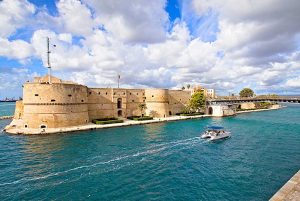
Taking the train from Salerno to Taranto isn’t merely a logistical necessity. It’s a ride through lesser-seen Italy. The journey allows glimpses into parts of the country often left off postcards but rich in narrative and soul. Long before Taranto’s castle towers rise into view, that feeling takes root—that something meaningful is unfolding through the window frame, mile by mile.




+ There are no comments
Add yours