1. A Morning Arrival in the City of Two Seas
Taranto greeted me with the salt-kissed breeze of the Ionian Sea, warm sunlight pouring over terracotta rooftops, and the echo of church bells chiming in the distance. The city, carved between history and modernity, unfolds with narrow cobbled alleys, sun-bleached balconies, and an irresistible air of tradition. I arrived early in the morning, when the streets were still stretching into wakefulness. The fishermen at the port were busy hauling their nets, and the scent of fresh espresso began curling from café doors.
As someone who travels to understand places through their flavors, especially sweets, Taranto had intrigued me for a while. Known more commonly for its military port, ancient Greek ruins, and unique coastal geography, it’s not usually the first city that comes to mind for a dessert trail. But beneath its tough maritime image, the city shelters some of Puglia’s most delightful pastry shops, each carrying stories layered like millefoglie.
With my luggage dropped off at a small family-run B&B near the Borgo Antico, I tightened the laces of my shoes and started what would become a multi-day exploration through cream, sugar, almonds, ricotta, and all things indulgent.
2. Antica Pasticceria Tarantina – A Legacy of Almonds and Orange Blossom
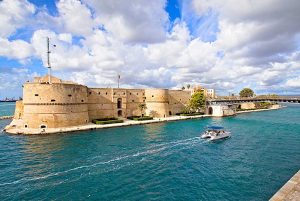
The first place I visited was Antica Pasticceria Tarantina, nestled discreetly near the old town, just a few steps from the Aragonese Castle. The building itself whispered history. Inside, the marble countertops were worn smooth, and the glass display cases gleamed with a spectrum of colors: pastels from candied fruit, the shine of glazes, and the soft matte of powdered sugar.
I ordered a selection of pasticciotti – small pastry shells filled with custard. These aren’t unique to Taranto, but the local variation here is subtler, slightly less sweet, and the shell flakier than in neighboring cities. One of them had a filling of orange-blossom ricotta blended with a hint of cinnamon, an elegant nod to Arab-Sicilian influence. The lady behind the counter smiled knowingly when I paused mid-bite, savoring the contrast between the warm, barely set cream and the crispness of the shell.
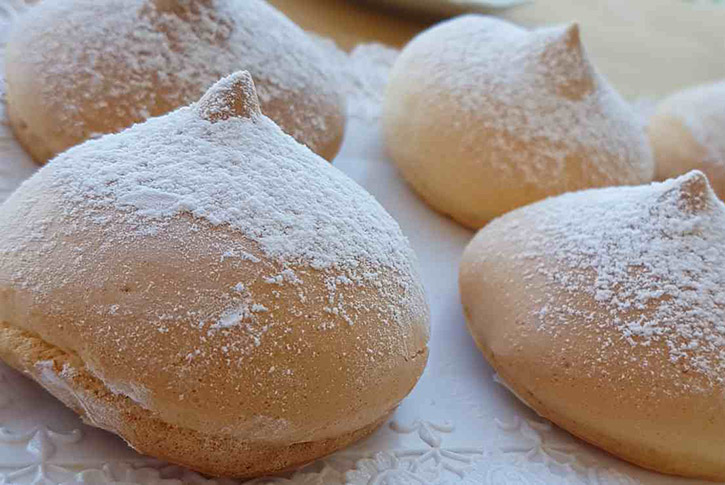
Next came tette delle monache, a name as curious as the dessert itself. The sponge domes, so light they seemed barely anchored to the plate, were filled with sweet whipped cream that was neither too heavy nor cloying. The pastry chef, a third-generation owner, explained the recipe had been passed down unchanged from his grandmother, who had begun baking them during the post-war era.
3. Gelato by the Sea: Gelateria Del Corso
That afternoon, the sun had grown insistent, turning the limestone pavements into heat traps. I walked toward Viale Virgilio, drawn by the promise of sea views and a particularly praised gelateria: Gelateria Del Corso.
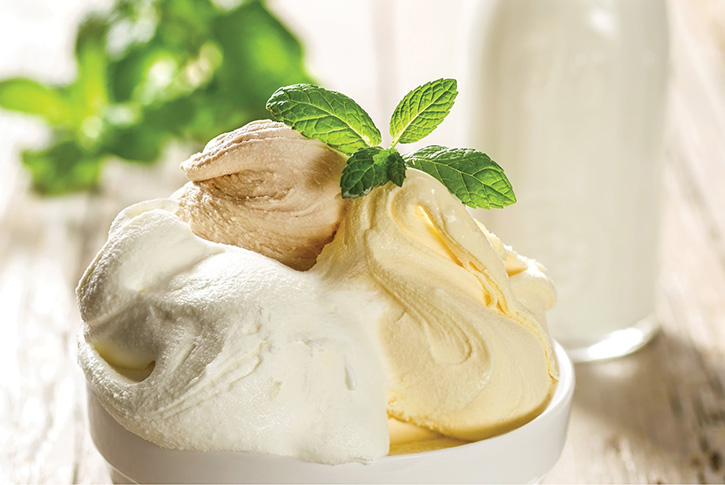
This was not a place for gimmicks or Instagrammable concoctions. The flavors here were classic, executed with craftsmanship. I chose a double scoop: mandorla tostata (toasted almond) and cioccolato fondente 80% (80% dark chocolate). The almond had a smoky depth, and the chocolate was so rich it felt like velvet against the tongue. I sat on the sea wall across from the shop, my shoes dusted with sand, watching teenagers diving off the rocks below. It was a moment suspended in summer.
Behind the counter, I learned that the almonds were sourced from Grottaglie, a nearby town known for its ceramics but also home to prized nut orchards. Each batch of gelato was made fresh in the morning, using no artificial bases or preservatives. The result was a texture that melted quickly but tasted purer than most industrial alternatives.
4. Pasticceria Bello – A Hidden Gem in the New Town
Early the next morning, I found myself wandering through Taranto Nuova, the newer section of the city. Quieter, more residential, and lined with post-war buildings, it’s less picturesque than the old town, but holds its own charm. At a corner near Via Dante, I stumbled across Pasticceria Bello, a small, family-run shop with no flashy signage but a loyal local following.
The shop smelled of butter and citrus. Inside, trays of cartellate sat beside baskets of bocconotti, and I immediately knew I had found a place where locals came not for fashion, but for flavor. I tried the bocconotti alla ciliegia, which looked deceptively plain. The crust was crumbly and short, dusted with just the faintest sprinkle of sugar, and inside was a homemade cherry preserve so thick and tart it almost made me flinch with pleasure.
I ended up chatting with the owner’s son, who shared that their cartellate are made only around Christmas, soaked in vin cotto, but they had kept a small batch frozen for regulars who asked. He offered me one to try. Even cold, the honeyed fig and wine flavors unfurled slowly, like an ancient melody, complex and deeply nostalgic.
5. Midday Merenda at Il Paradiso del Dolce
Taranto’s rhythm changes around midday. Streets empty, shutters close, and a slow hush falls over the city. It’s during these hours that I found Il Paradiso del Dolce, located close to Piazza Maria Immacolata, still open and thriving.
This pastry shop specialized in layered cakes and semifreddi. I chose a slice of cassata pugliese, lighter than the Sicilian version, with less candied fruit and a more pronounced almond paste layer. The sponge had been soaked in a liqueur I couldn’t quite place – perhaps rosolio – and it gave the cake a floral undertone. On the side, a miniature babà al limoncello, syrupy and punchy, carried enough flavor to knock the summer drowsiness out of my system.
The walls here were lined with photos of family celebrations: baptisms, weddings, confirmations – all accompanied by towering cakes made by the shop. There was something heartening in seeing how integral sweets were to local rituals. Dessert here wasn’t just an afterthought – it was centerpiece, memory, celebration.
6. An Evening Walk to Pasticceria Gelateria Natale
By sunset, I made my way back toward the coastline and visited Pasticceria Natale, a slightly more modern establishment with elegant glass facades and sleek interiors. But the desserts were steeped in tradition.
I tried spumoni, a layered semifreddo made with pistachio, chocolate, and cherry. The consistency was somewhere between gelato and mousse, each layer distinct yet harmonious. The cherry in the center was soaked in liqueur, and the pistachio cream had a richness that spoke of Sicilian influences, though made with local nuts.
Beside me, a group of elderly gentlemen argued about politics over espresso and bigné, the cream-filled puffs looking like small golden clouds. One of them caught my eye and offered me a spare, filled with lemon cream. I accepted, grateful, and was rewarded with a burst of flavor – tart, fresh, and bright against the growing dusk.
7. Sweet Conversations at Pasticceria D’Aquino
On the third day, after a late morning exploring the ruins of the Greek temples and the Museo Archeologico, I headed into the Tre Carrare Battisti district. A local archaeologist I had met recommended Pasticceria D’Aquino, describing it as “where every grandmother orders birthday cakes.”
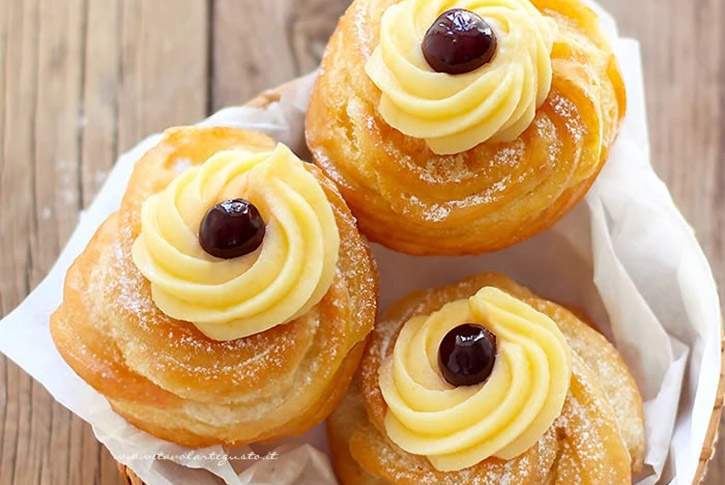
The shop had the unmistakable scent of vanilla and rising dough. Their zeppole di San Giuseppe caught my eye – traditionally made for Father’s Day, but thankfully available here year-round. Fried, not baked, with a custard center and sour cherry on top, they were decadent but not greasy.
I also took home a few mostaccioli, spiced cookies with a hard chocolate glaze and hints of clove and cinnamon. They reminded me of the winter pastries found across Southern Italy, though here they had a particular orange zestiness that felt specific to the region.
8. Dessert Before Dinner: An Aperitivo Twist
One evening, just before dinner, I made an unusual stop: Bar Roma, a cocktail bar known for its dolci-inspired aperitivi. Here, I encountered a surprisingly creative pairing – a negroni sbagliato served with a side of crema pasticcera tartlets topped with thyme-infused berries. The tartness of the berries offset the creamy base beautifully, and the bitterness of the cocktail cleansed the palate.
It was a curious, charming experience – desserts not only as indulgence but as a deliberate bridge between courses, offered in smaller bites, styled like amuse-bouches. I lingered longer than I meant to, chatting with the bartender about how Taranto’s culinary traditions are evolving in small but interesting ways.
9. Morning Rituals and Pasticceria Gelosia
By the fifth morning, I had developed a pattern: espresso, something sweet, a quiet hour of writing, and then off again on foot. Pasticceria Gelosia, near Corso Umberto I, became my go-to for that sacred morning pause.
Their cornetti crema e amarena – croissants filled with custard and sour cherry – were warm from the oven, their tips just dark enough to snap when bitten. The sugar dusting was restrained, allowing the filling to shine. I paired it with a macchiato and sat outside, notebook open, watching the city slowly churn to life.
Occasionally, a local would stop to ask what I was writing. When I told them about my dessert-hopping mission, the reactions ranged from amused to supportive. More than once, someone offered their own list of favorites, scribbled hurriedly on napkins or receipts.
10. Unexpected Discoveries and a Farewell Bite
My last full day brought me to the Tamburi district, often overlooked by tourists. While the area has had its share of environmental struggles due to the nearby steelworks, it remains a working-class neighborhood with deep community roots. I came across a bakery called Dolcezze di Puglia, unassuming but busy.
Inside, the shelves were lined with taralli dolci, mustazzoli, and small ciambelline al vino – wine cookies with a rustic crunch. I bought a bag of mixed sweets, all wrapped in parchment, and sat at a bus stop bench with them, unbothered by the occasional passing traffic.
A young girl beside me offered me half of her chocolate-covered cannolo. Her grandmother, nearby, smiled and gestured that sharing was a tradition. The shell was crisp, the filling less sweet than expected, with a dash of citrus. In that moment, I realized that desserts here are not about spectacle – they are woven into daily life, small gestures of generosity, pride, and care.


+ There are no comments
Add yours